
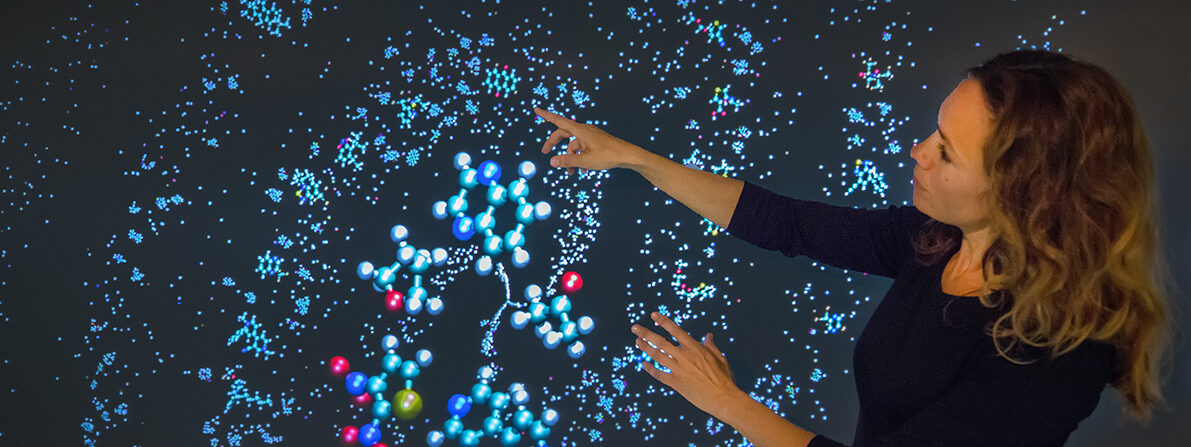
We’re developing new understandings and approaches that accelerate the discovery of new materials and chemical processes – including time-resolved measurements, machine learning, artificial intelligence, automated lab systems, and electron microscopy – in search of a clean, affordable, and resilient energy future.

Heavy Element Research Laboratory
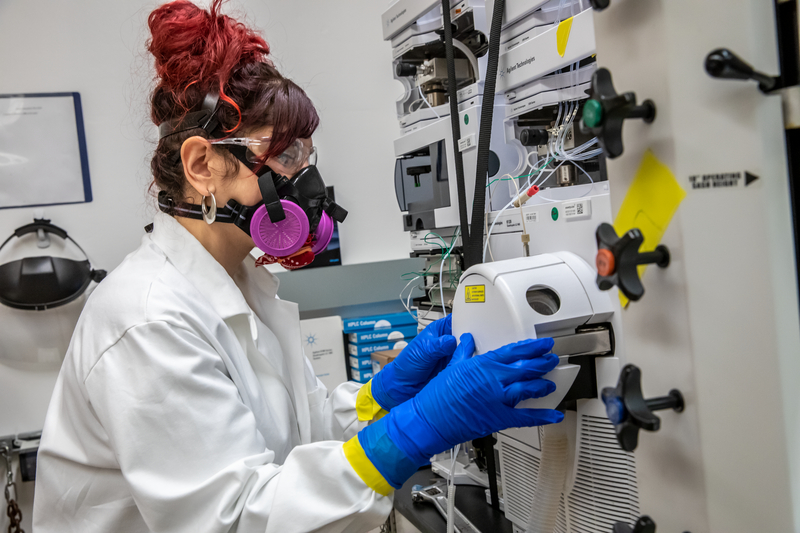
Berkeley Lab researchers are broadening our understanding of heavy element chemistry to advance new technologies for health, energy, medical countermeasures, environmental cleanup, and hazardous waste reduction.
Catalysis Laboratory
Supports the Berkeley Lab Catalysis Program’s pursuit of fundamental knowledge about the synthesis, reactions, and mechanisms of catalysts and catalytic reactions.
The Materials Project
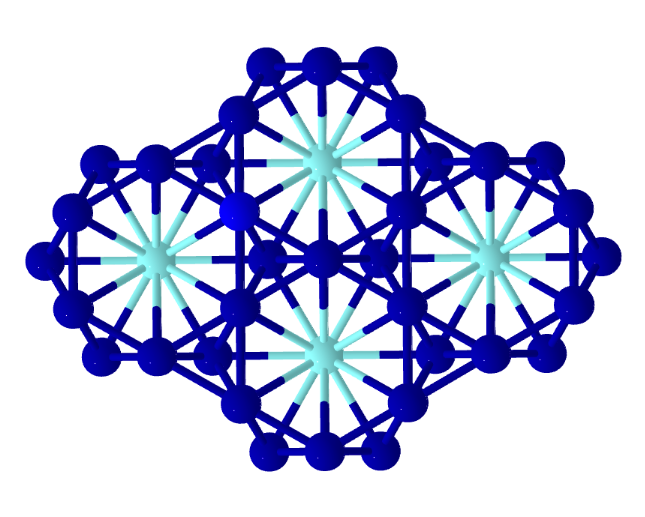
Accelerating innovation in materials research for batteries, solar cells, and computer chips.
Liquid Sunlight Alliance (LiSA)

Advancing new systems to efficiently generate liquid fuels from sunlight, water, CO2, and nitrogen.
HydroGEN Advanced Water-Splitting Materials Consortium

Accelerating advanced water-splitting technologies for clean, sustainable hydrogen production.
Center for Novel Pathways to Quantum Coherence in Materials

Developing new approaches to quantum information science and technology.
Joint Center for Energy Storage Research
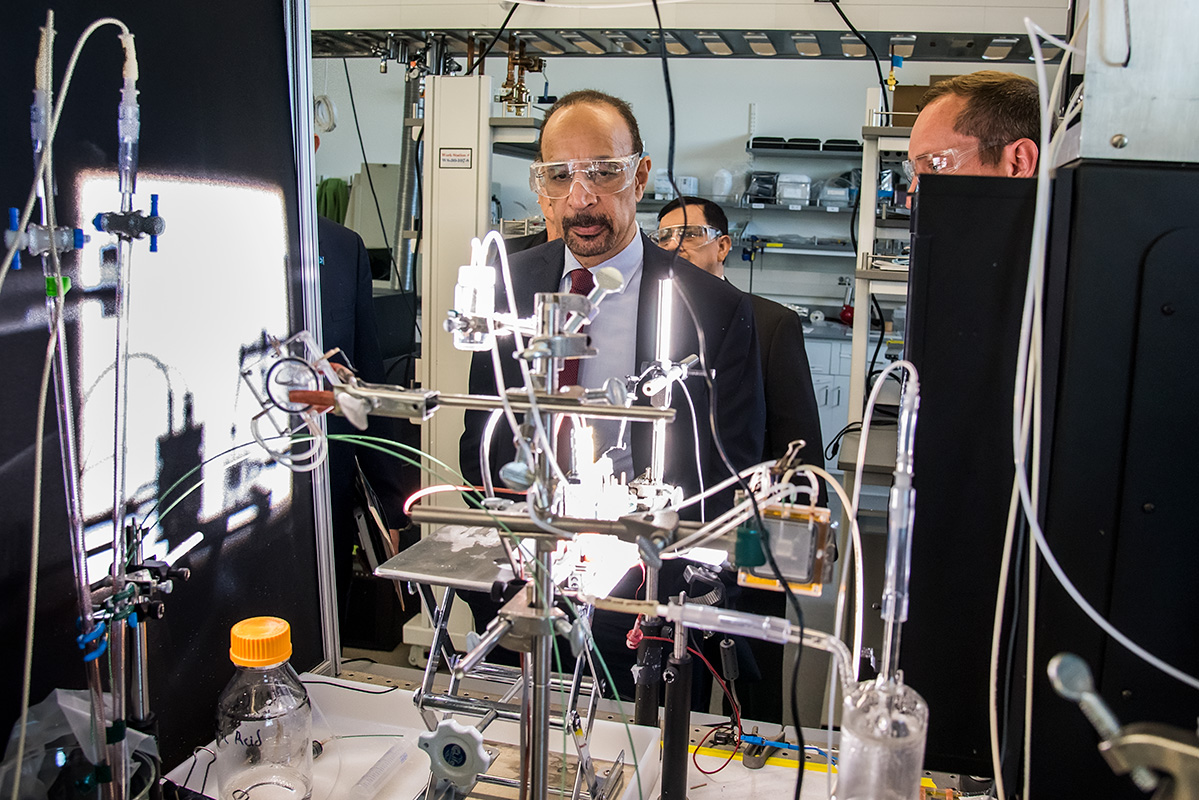
Developing next-gen batteries from the bottom up — atom by atom and molecule by molecule.
Center for Computational Study of Excited-State Phenomena in Energy Materials (C2SEPEM)
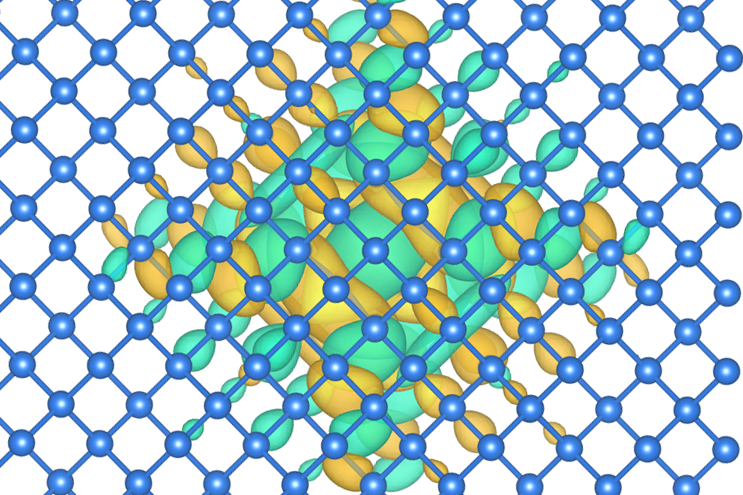
Developing theories, methods, and general software to elucidate and predict excited-state phenomena in energy-related materials.
Data-Driven Synthesis Science (D2S2) program

Developing a data-driven approach to synthesis science by combining text mining and machine learning.
Center for Advanced Mathematics for Energy Research Applications (CAMERA)

Developing fundamental new mathematics required to capitalize on experimental investigations at scientific facilities.
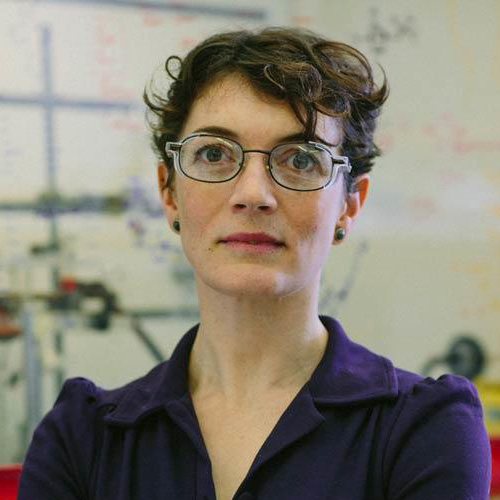
Polly Arnold is the director of Berkeley Lab's Chemical Sciences Division and a faculty professor in UC Berkeley's Chemistry department. Her research is focused on exploratory synthetic chemistry of heavy elements, the f-block of the periodic table, and the development of homogeneous catalysis using the earth-abundant rare earths.

Ting Xu is a faculty senior scientist and professor of chemistry and materials science and engineering at UC Berkeley. Her lab is designing, characterizing, and understanding complex systems of synthetic polymers, nanoparticles, and biomolecules to develop new functional materials that exhibit novel electronic, photonic, and biological properties.

Brett Helms is a staff scientist in the Molecular Foundry's Organic and Macromolecular Synthesis facility. His research focuses on designing and applying organic and polymeric materials to solve problems in energy and sustainability, including next-generation batteries, membrane separations, and more recyclable polymers for the circular economy.
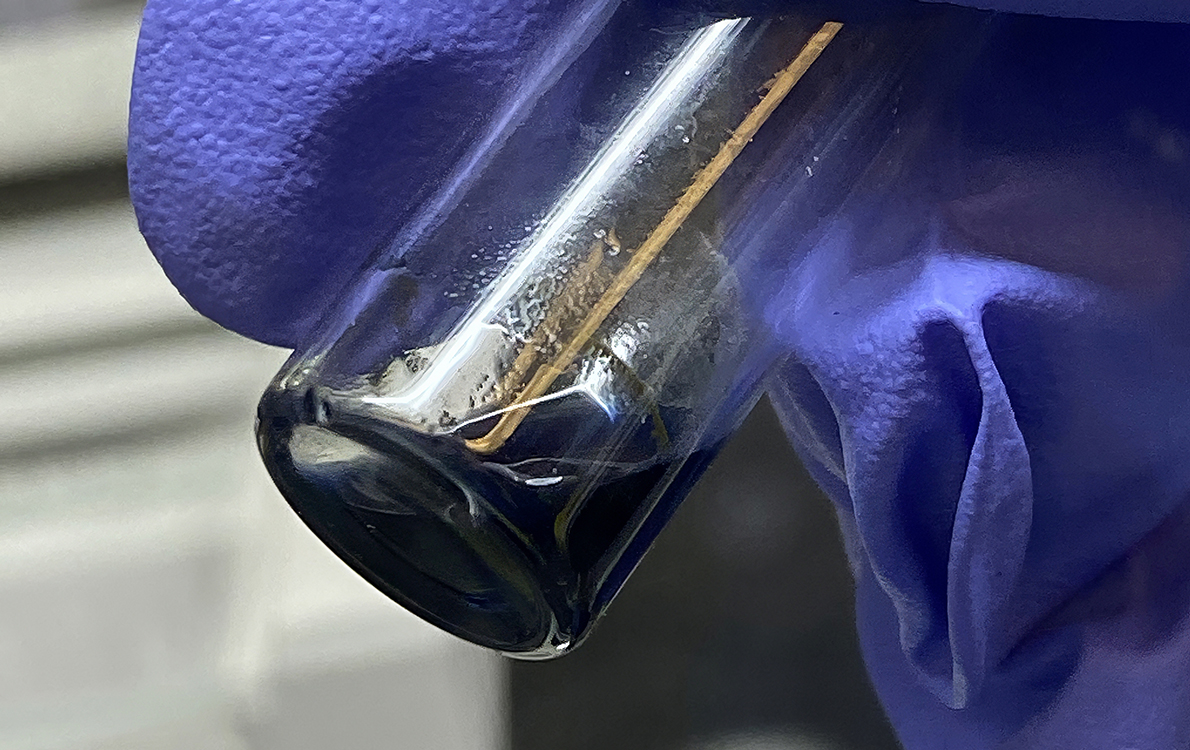

A research team led by Berkeley Lab has discovered “berkelocene,” the first organometallic molecule to be characterized containing the heavy element berkelium.
Berkeley Lab researcher Natalia Molchanova is working on advancing low-cost biotech solutions through synthetic protein molecules called peptoids at the Molecular Foundry.
This episode features three scientists working to manage the planet’s plastic addiction by developing smarter materials that avoid the pitfalls of 20th century plastics. We talk about the challenges of the current recycling and composting systems, philosophies of materials design, why trying to recycle some things is just “wishcycling,” and why we can allow ourselves to feel a little optimism — even though the news paints a pretty bleak picture sometimes.
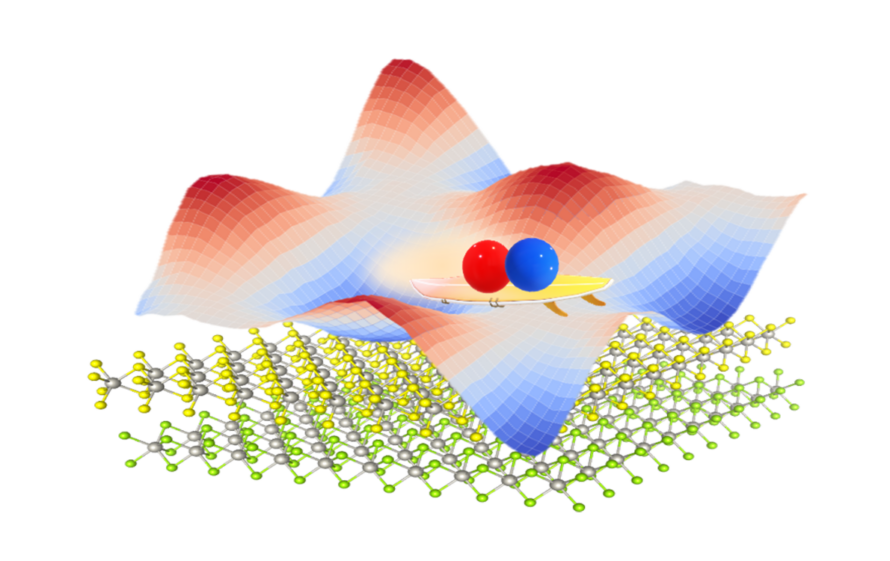
Moiré than Meets the Eye
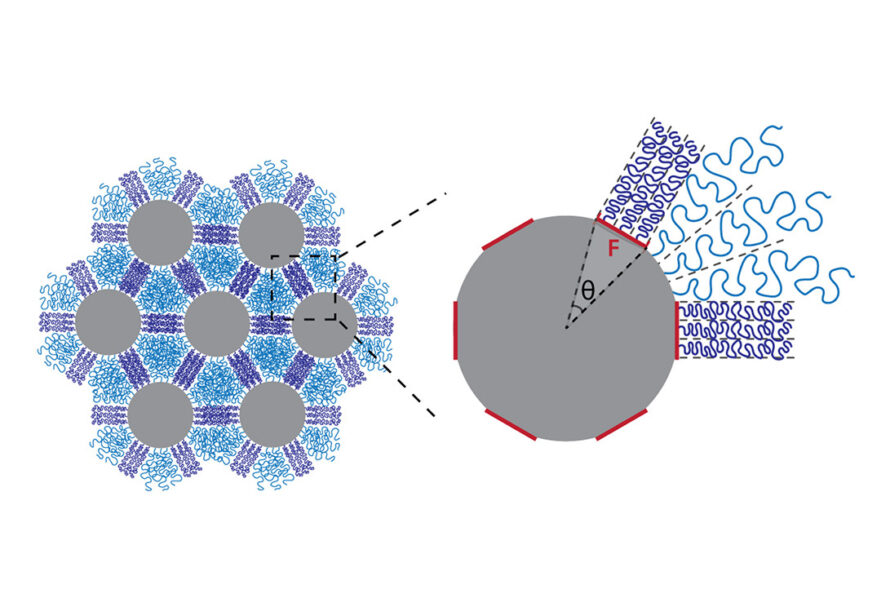
A New Way to Engineer Composite Materials
For Better Quantum Sensing, Go With the Flow

Microelectronics and Beyond

Quantum Science
Artificial Intelligence