
In the 20th century, the development of computers and networks have allowed researchers to process and analyze massive data sets, validate theories with computer models, and use networks to pool expertise and resources to achieve breakthroughs. Berkeley Lab researchers continue to advance and apply novel approaches in computational science and networking to accelerate scientific discovery.
Advanced computing technologies
Investigating novel computer architectures, computer languages, systems software, performance analysis, algorithms, and data management for next-generation high-performance and edge computing.
Beyond Moore’s Law / frontiers of computing
Inventing energy-efficient electronics, materials, systems, devices, manufacturing systems, and architectures to continue exponential technology scaling of digital electronics performance and energy efficiency in response to the tapering of Moore’s Law.
Superfacility / self-driving labs
Automate, integrate, and steer experimental and observational instruments using computing facilities where incoming data is analyzed, archived, and curated.
Data science
Transforming data-driven discovery and understanding by developing and applying novel data science methods, technologies, and infrastructures with scientific partners.
Software enabling science
Developing sustainable software packages for modeling and simulation, computer science, and data science to enable scientific discovery.
Quantum computing
Fabricating and testing quantum-based devices, developing software and algorithms, building a prototype computer and network, and applying these innovations to scientific research.
Modeling and simulation
Delivering innovative, effective multiscale modeling and simulation solutions in a variety of scientific areas.
National Energy Research Scientific Computing Center (NERSC)
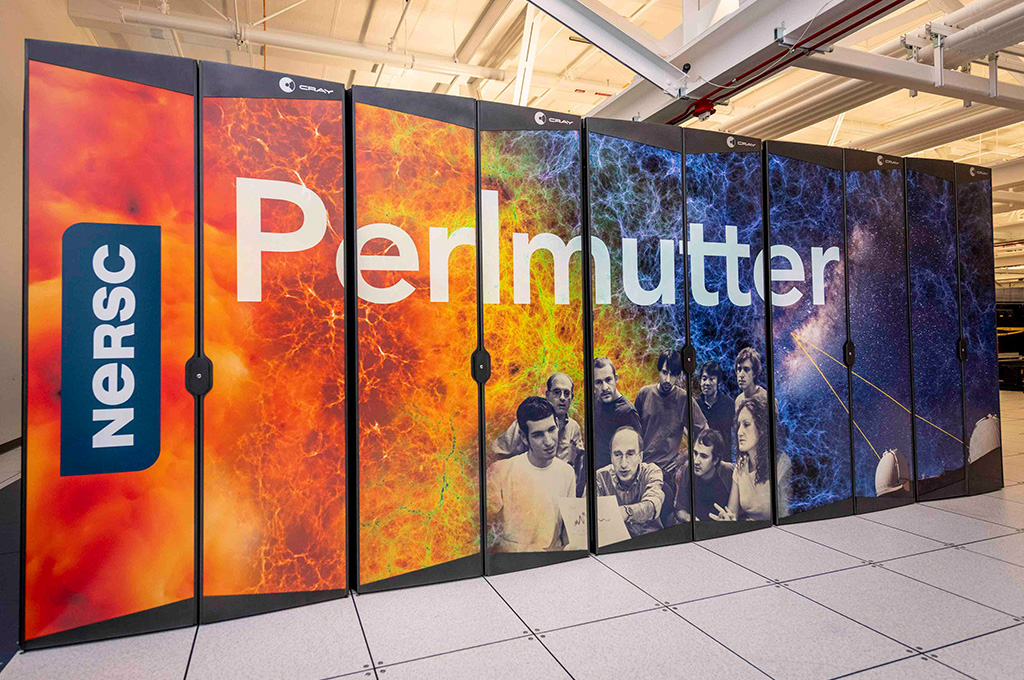
NERSC provides computational and data resources and expertise to scientists performing open-science research.
Energy Sciences Network (ESnet)

ESnet performs research and provides high-bandwidth network connections to meet the exceptional data demands of DOE science.
Center for Advanced Mathematics for Energy Research Applications (CAMERA)
CAMERA is an integrated, cross-disciplinary center that aims to invent, develop, and deliver the fundamental new mathematics required to capitalize on experimental investigations at scientific facilities.
Advanced Quantum Testbed
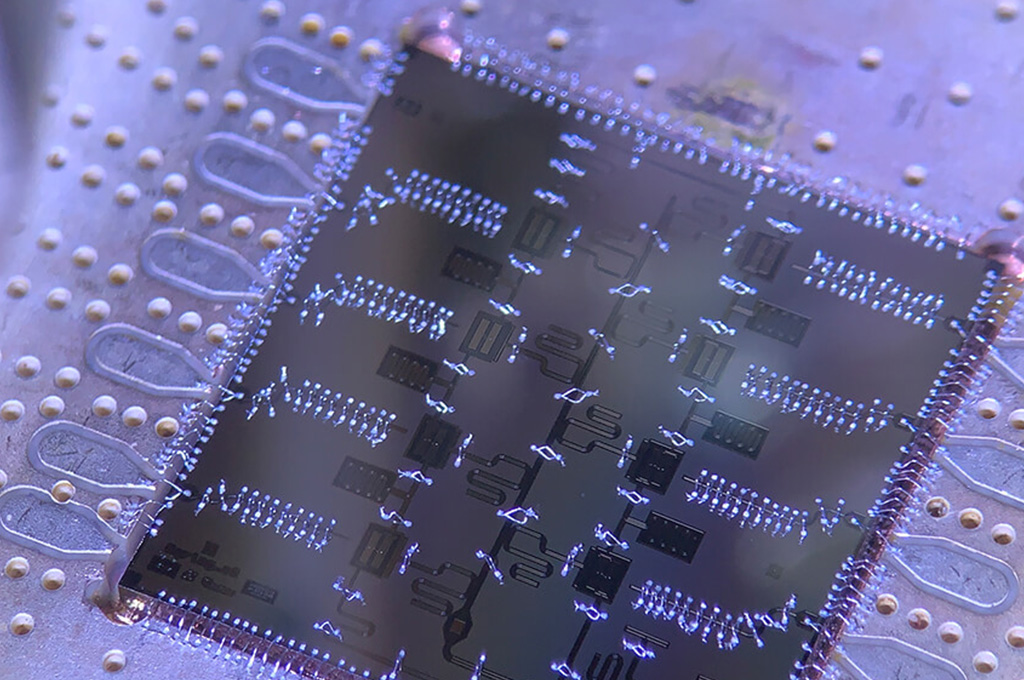
A collaborative research laboratory and open-access testbed to advance quantum computing based on superconducting circuits.
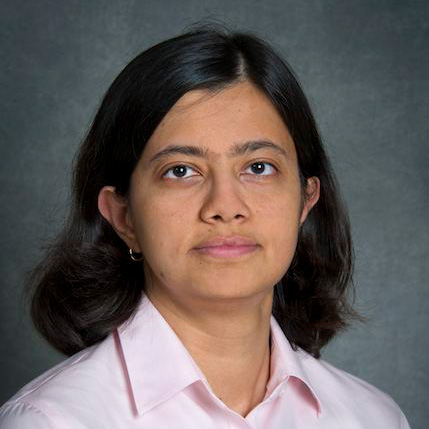
Lavanya Ramakrishnan is a senior scientist and division deputy in the Scientific Data Division within the Computing Sciences Area. Her research interests are in building software tools for computational and data-intensive science with a focus on workflow, resource, and data management.
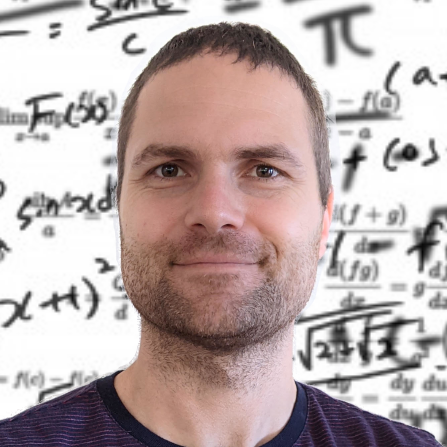
Marcus Noack is a research scientist in the Applied Mathematics and Computational Research Division focusing on mathematical theory and algorithms for uncertainty quantification and autonomous experimentation. He developed gpCAM, a software widely used in applications across many experimental facilities around the globe.

Katie Klymko is a staff member in NERSC's Advanced Technologies Group working to integrate HPC and quantum computing. Her previous work focused on the development of efficient methods for eigenvalue calculations in molecular systems as well as quantum computing algorithms to explore thermodynamic properties.
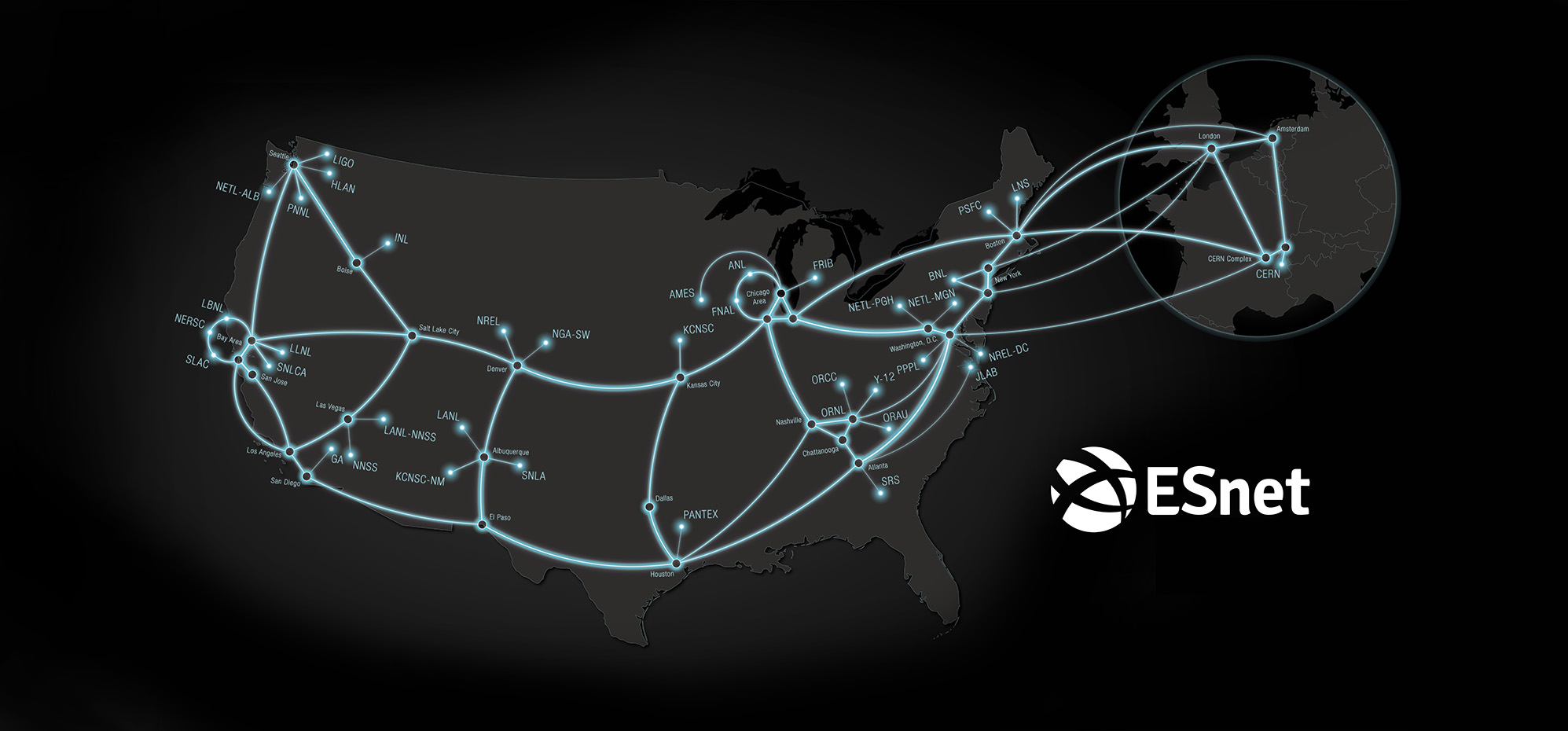
Scientific breakthroughs rely on seamless data movement. ESnet connects tens of thousands of scientists and researchers at the 17 national labs working on 28 advanced user facilities to accelerate the nation’s research.
Scientific breakthroughs rely on seamless data movement, much like a circulatory system delivering vital knowledge. Energy Sciences Network (ESnet), the Department of Energy’s sole high-performance networking user facility, keeps this system running and enables breakthroughs that shape our world. Listen to this podcast where we talk about how ESnet supports the nation’s scientists.
NERSC Aids Hunt for “Cracks” in the Standard Model
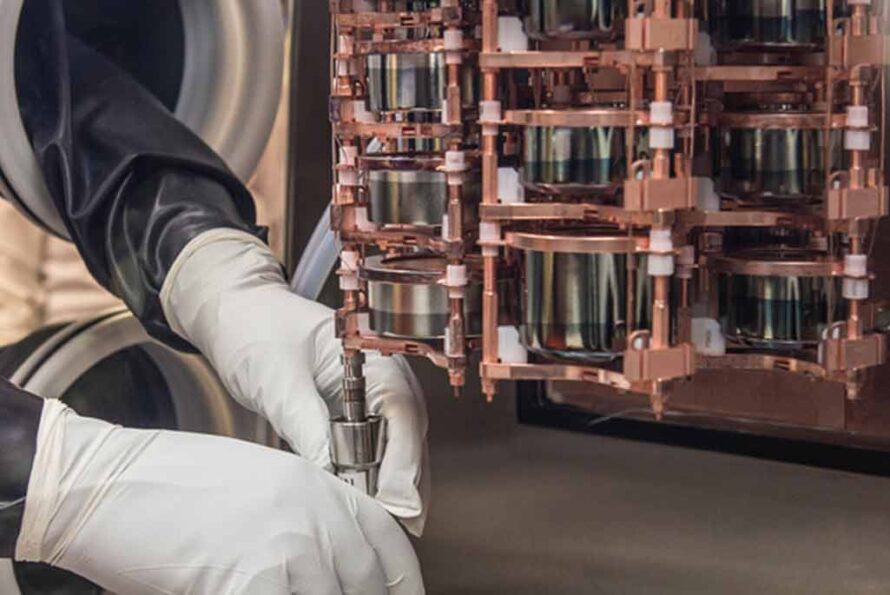
ESnet Turns On 400G Circuits to Four DOE National Labs, Supercharging Multi-Site Scientific Research
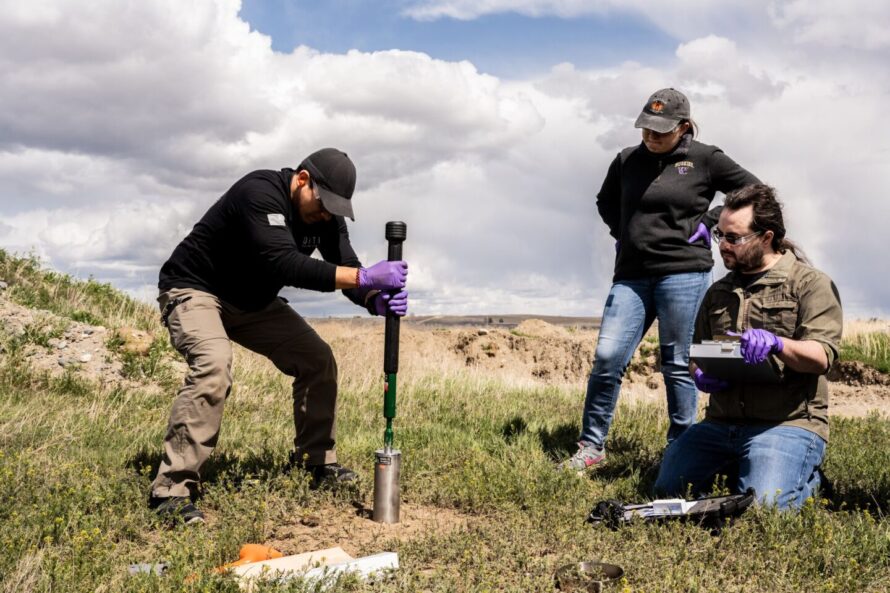
The Most Advanced Bay Area Earthquake Simulations Will be Publicly Available

Artificial Intelligence
Climate Science
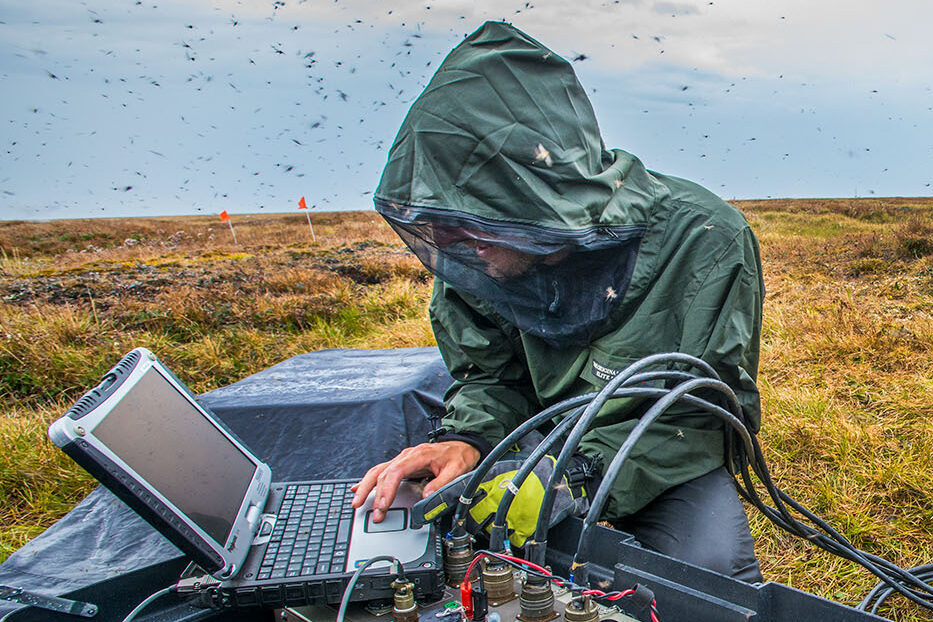
Quantum Science
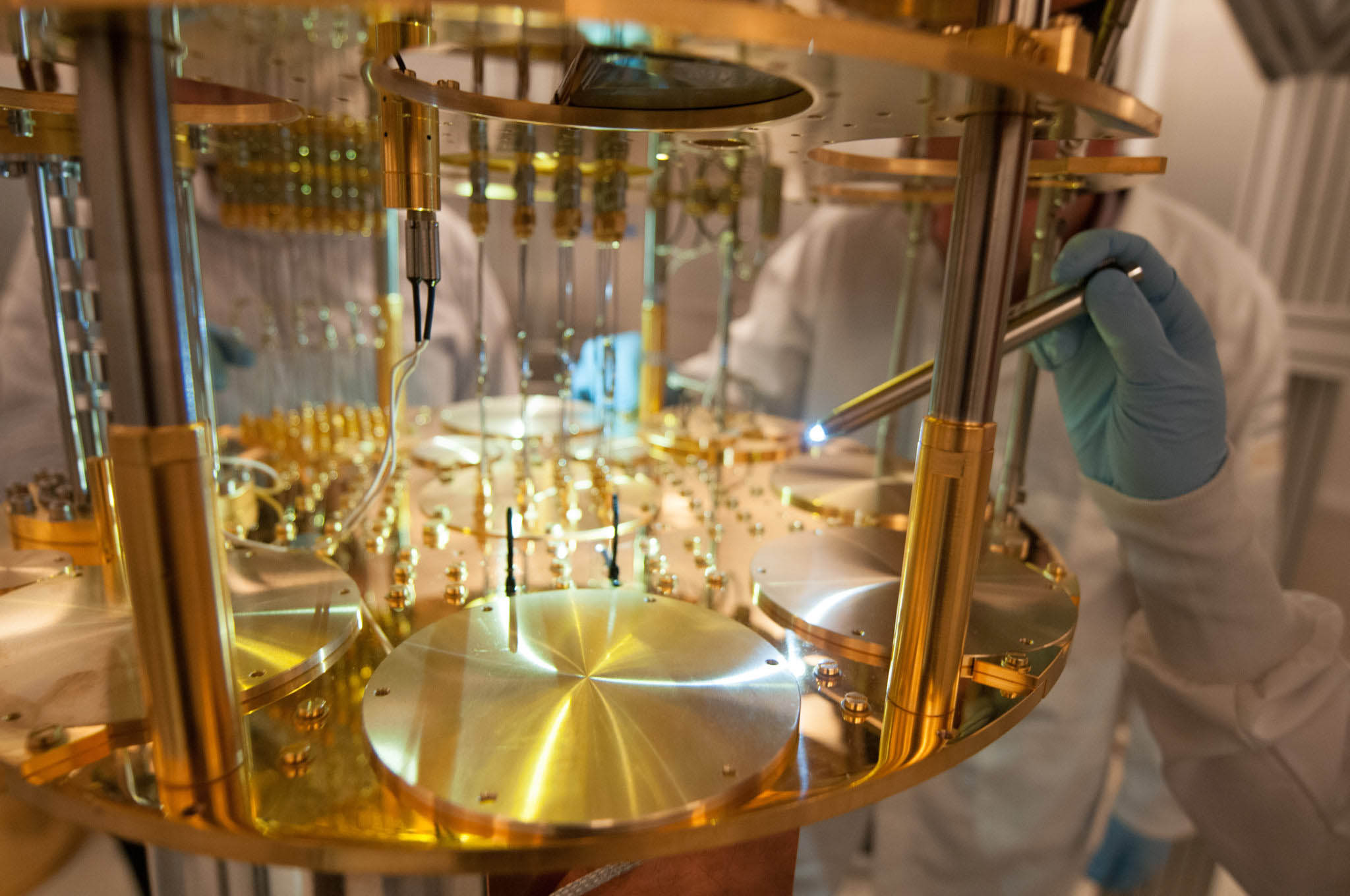
Scientists Get Real-Time Look Inside Spacecraft Heat Shields During Extreme Heat Conditions
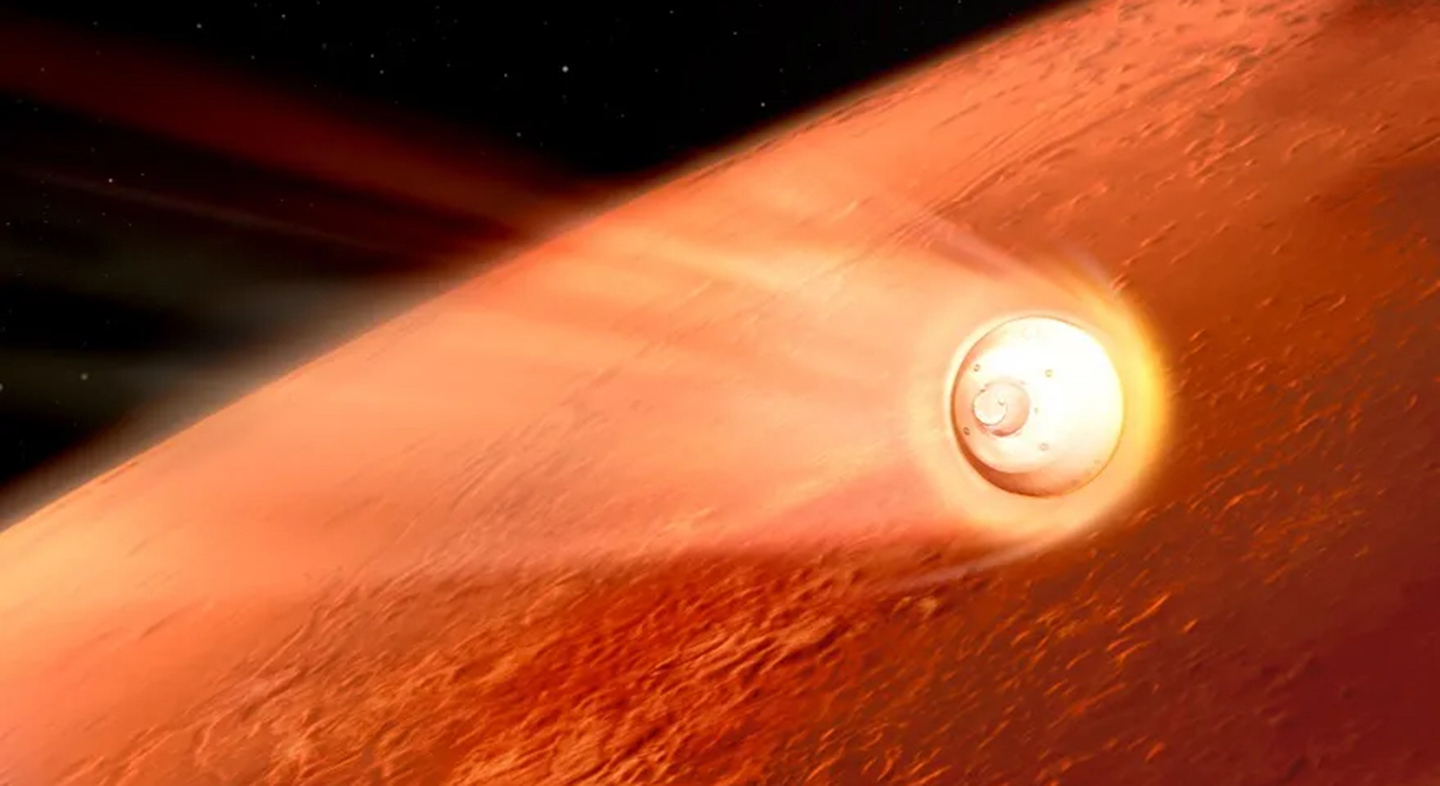
How the Advanced Light Source Is Accelerating Our Quantum Future
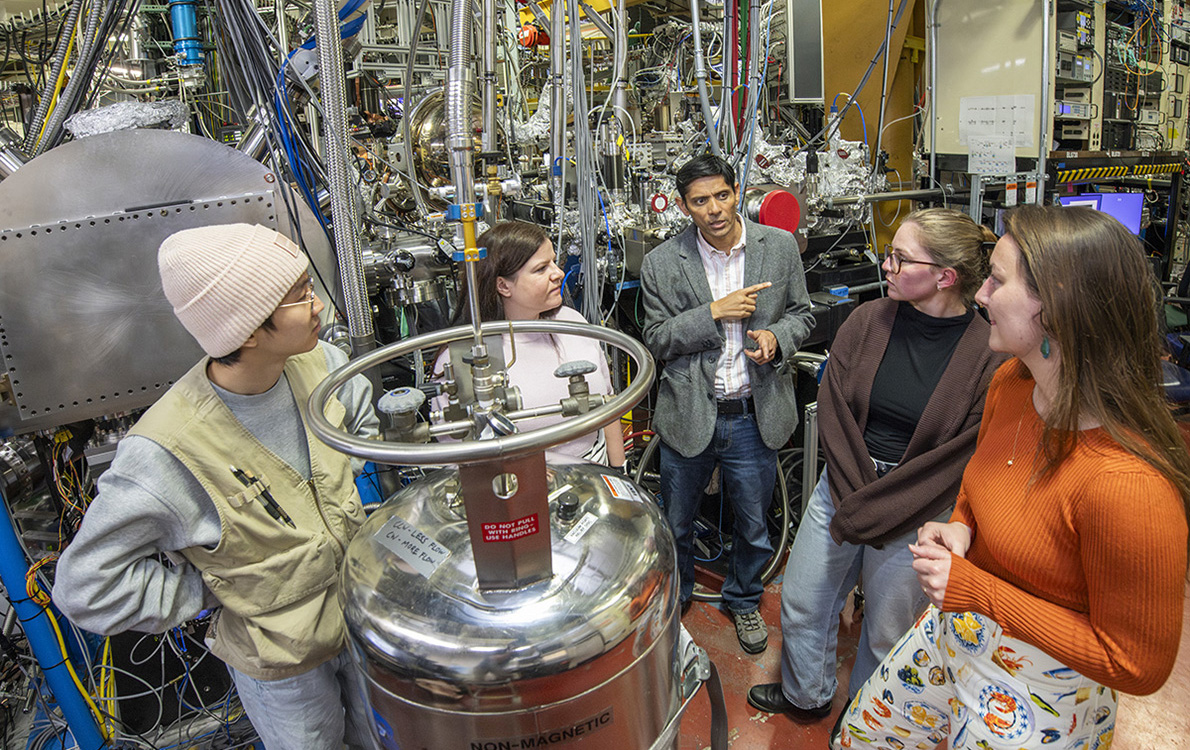
Brighter Light, Sharper Science: Inside Berkeley Lab’s Advanced Light Source Upgrade
Ferroelectricity Emerges at the Nanoscale
Ice Ice Maybe: New Ways to Search for Frozen Water on the Moon
Basics 2 Breakthroughs: Optimizing Materials for Next-Generation Microelectronics
Science on the Double: How an AI-Powered ‘Digital Twin’ Accelerates Chemistry and Materials Discoveries
Basics2Breakthroughs: Studying the Hydraulic Mechanism in Jumping Spiders
Postdoctoral Scholars
Job #107272
The Accelerator Technology & Applied Physics (ATAP) Division at Lawrence Berkeley National Laboratory (LBNL) has multiple openings for Postdoctoral Scholars to join the Fusion Science & Ion Beam Technology Program as part of our projects on measuring low-energy deuterium-deuterium cross sections, the successful candidate(s) will contribute to the development and execution of experiments that explore deuterium fusion inside metal hydrides and ways to increase the fusion rate.
Working closely …
Postdoctoral Scholars
Job #107271
The Accelerator Technology & Applied Physics (ATAP) Division at Lawrence Berkeley National Laboratory (LBNL) has multiple openings for Postdoctoral Scholars to join the Fusion Science & Ion Beam Technology Program as part of our work on developing nuclear techniques for mining applications and the detection of critical minerals and rare earth elements.
You will contribute to the development of Associated Particle Imaging and data fusion with X-ray technology and pulsed neutron techniques …
The Accelerator Technology & Applied Physics (ATAP) Division at Lawrence Berkeley National Laboratory (LBNL) has multiple openings for High Power Laser & Particle Accelerator Postdoctoral Scholars to join the BELLA Center.
In this role, you will help advance laser-plasma accelerator (LPA) technologies for generating high-energy particle beams, developing next-generation light sources, and enabling new radiation applications. Conducted under the direction and supervision of faculty mentors, …