
In the 20th century, the development of computers and networks have allowed researchers to process and analyze massive data sets, validate theories with computer models, and use networks to pool expertise and resources to achieve breakthroughs. Berkeley Lab researchers continue to advance and apply novel approaches in computational science and networking to accelerate scientific discovery.
Advanced computing technologies
Investigating novel computer architectures, computer languages, systems software, performance analysis, algorithms, and data management for next-generation high-performance and edge computing.
Beyond Moore’s Law / frontiers of computing
Inventing energy-efficient electronics, materials, systems, devices, manufacturing systems, and architectures to continue exponential technology scaling of digital electronics performance and energy efficiency in response to the tapering of Moore’s Law.
Superfacility / self-driving labs
Automate, integrate, and steer experimental and observational instruments using computing facilities where incoming data is analyzed, archived, and curated.
Data science
Transforming data-driven discovery and understanding by developing and applying novel data science methods, technologies, and infrastructures with scientific partners.
Software enabling science
Developing sustainable software packages for modeling and simulation, computer science, and data science to enable scientific discovery.
Quantum computing
Fabricating and testing quantum-based devices, developing software and algorithms, building a prototype computer and network, and applying these innovations to scientific research.
Modeling and simulation
Delivering innovative, effective multiscale modeling and simulation solutions in a variety of scientific areas.
National Energy Research Scientific Computing Center (NERSC)
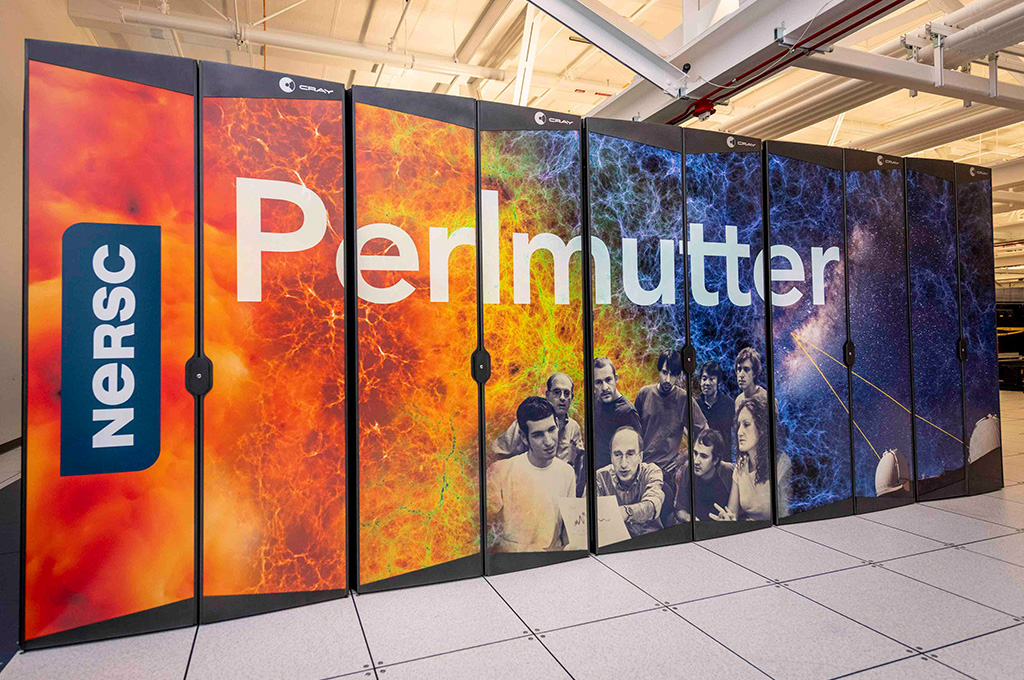
NERSC provides computational and data resources and expertise to scientists performing open-science research.
Energy Sciences Network (ESnet)

ESnet performs research and provides high-bandwidth network connections to meet the exceptional data demands of DOE science.
Center for Advanced Mathematics for Energy Research Applications (CAMERA)
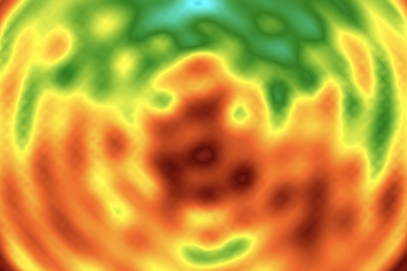
CAMERA is an integrated, cross-disciplinary center that aims to invent, develop, and deliver the fundamental new mathematics required to capitalize on experimental investigations at scientific facilities.
Advanced Quantum Testbed
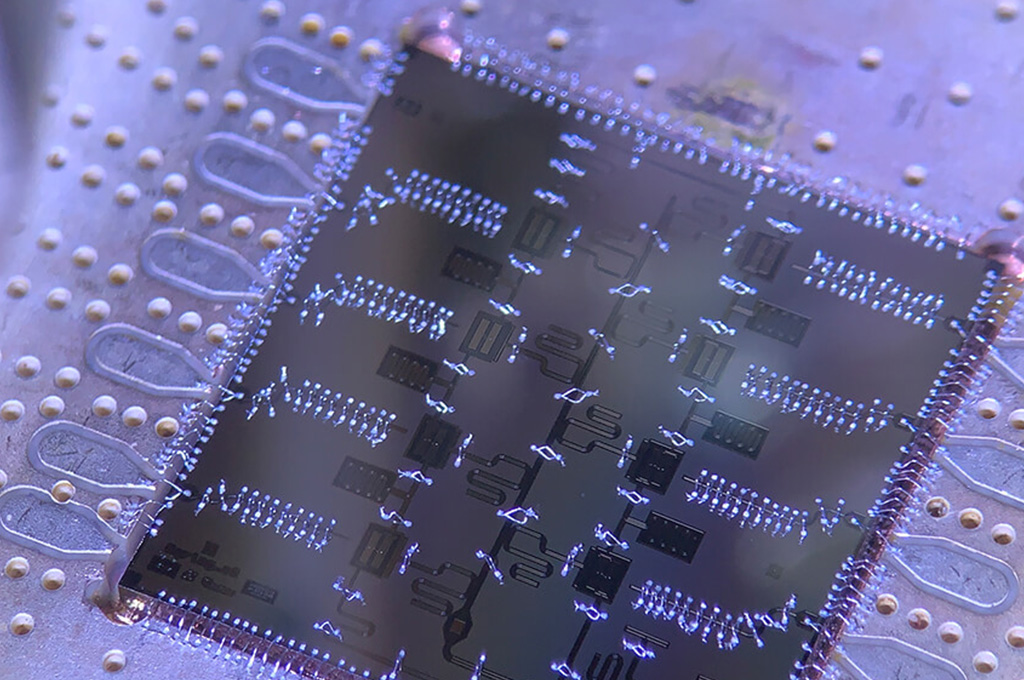
A collaborative research laboratory and open-access testbed to advance quantum computing based on superconducting circuits.
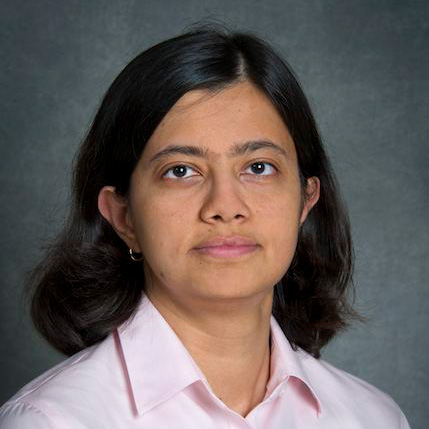
Lavanya Ramakrishnan is a senior scientist and division deputy in the Scientific Data Division within the Computing Sciences Area. Her research interests are in building software tools for computational and data-intensive science with a focus on workflow, resource, and data management.
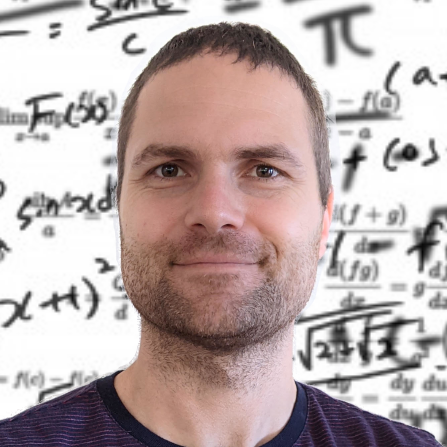
Marcus Noack is a research scientist in the Applied Mathematics and Computational Research Division focusing on mathematical theory and algorithms for uncertainty quantification and autonomous experimentation. He developed gpCAM, a software widely used in applications across many experimental facilities around the globe.

Katie Klymko is a staff member in NERSC's Advanced Technologies Group working to integrate HPC and quantum computing. Her previous work focused on the development of efficient methods for eigenvalue calculations in molecular systems as well as quantum computing algorithms to explore thermodynamic properties.
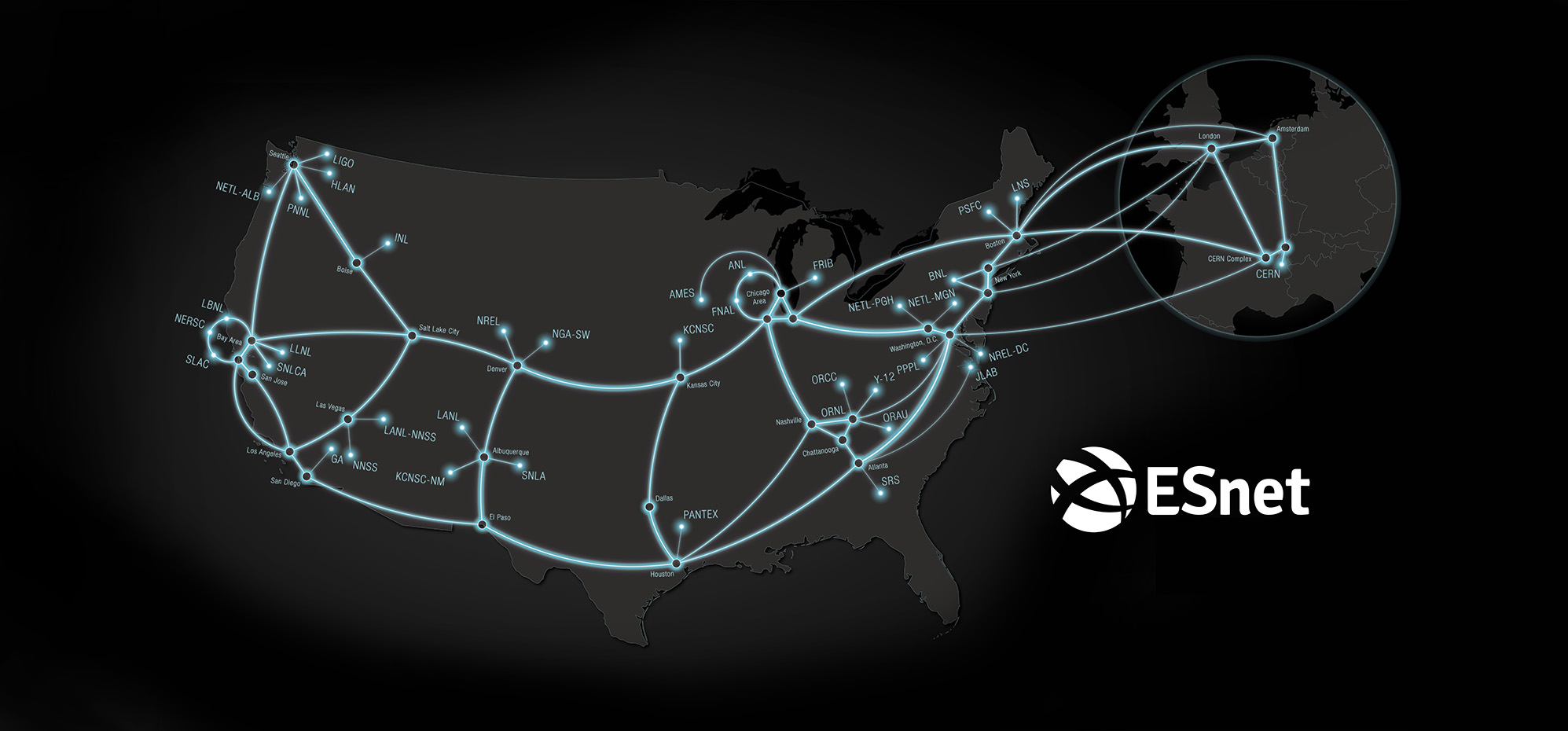
Scientific breakthroughs rely on seamless data movement. ESnet connects tens of thousands of scientists and researchers at the 17 national labs working on 28 advanced user facilities to accelerate the nation’s research.
Scientific breakthroughs rely on seamless data movement, much like a circulatory system delivering vital knowledge. Energy Sciences Network (ESnet), the Department of Energy’s sole high-performance networking user facility, keeps this system running and enables breakthroughs that shape our world. Listen to this podcast where we talk about how ESnet supports the nation’s scientists.
NERSC Aids Hunt for “Cracks” in the Standard Model
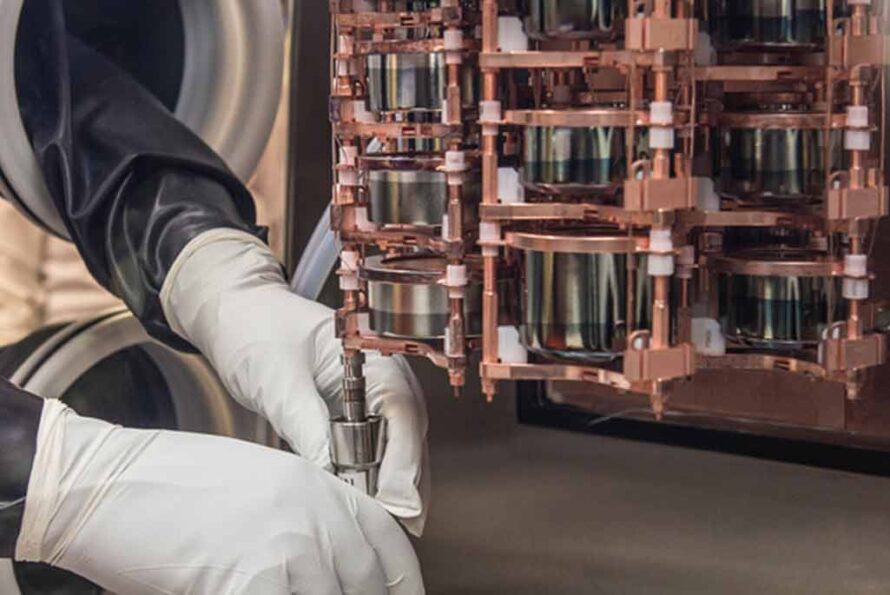
ESnet Turns On 400G Circuits to Four DOE National Labs, Supercharging Multi-Site Scientific Research
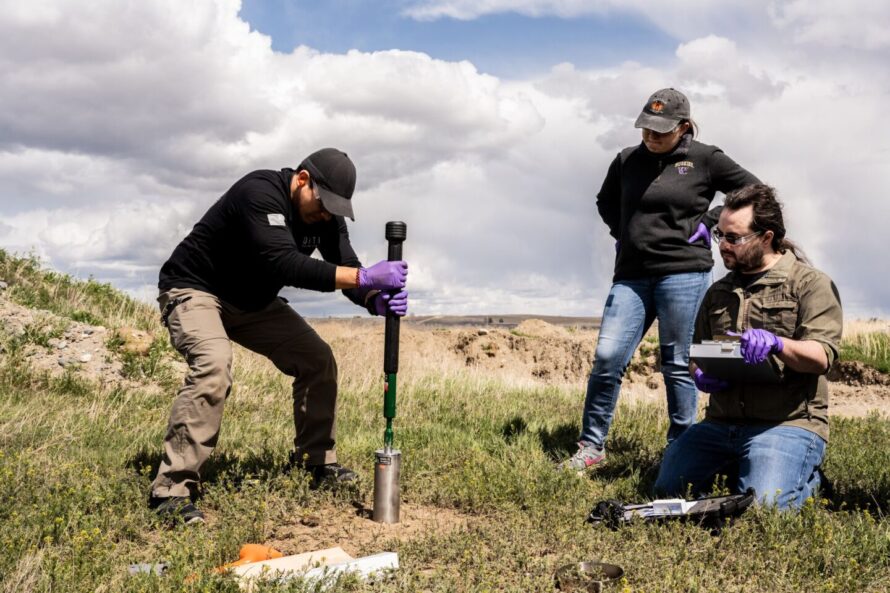
The Most Advanced Bay Area Earthquake Simulations Will be Publicly Available

Artificial Intelligence
Climate Science
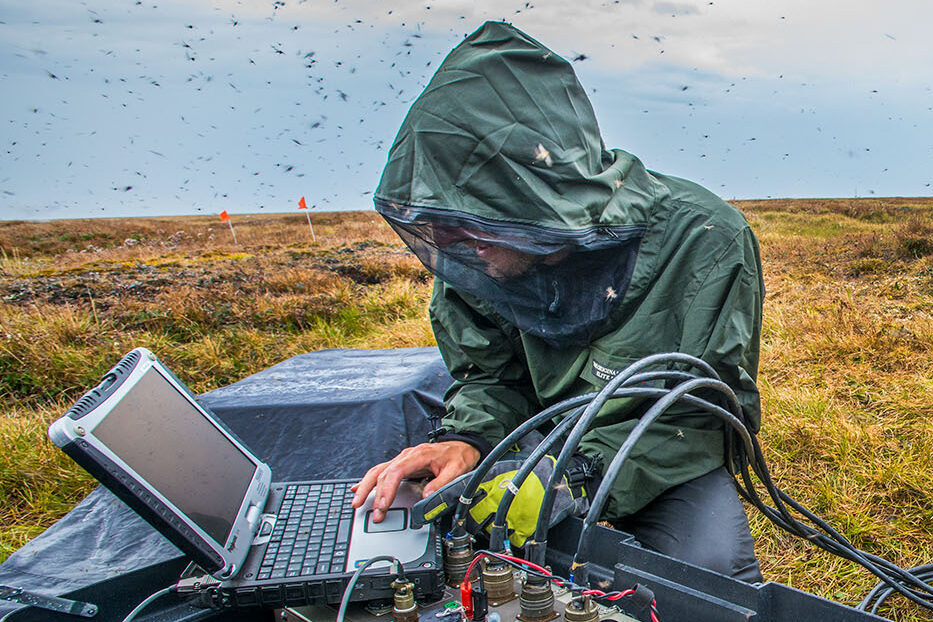
Quantum Science
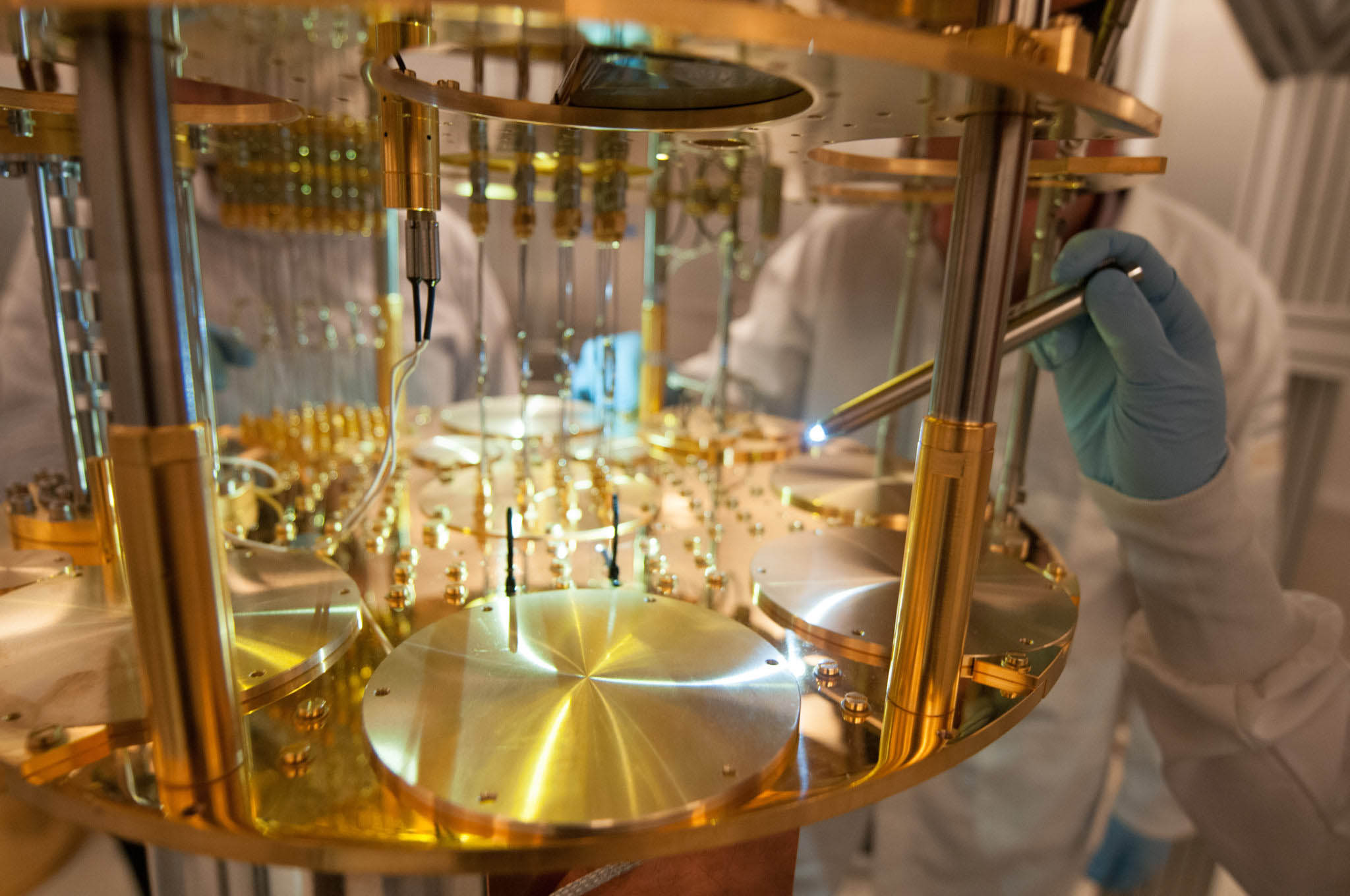
Basics 2 Breakthroughs: Optimizing Materials for Next-Generation Microelectronics
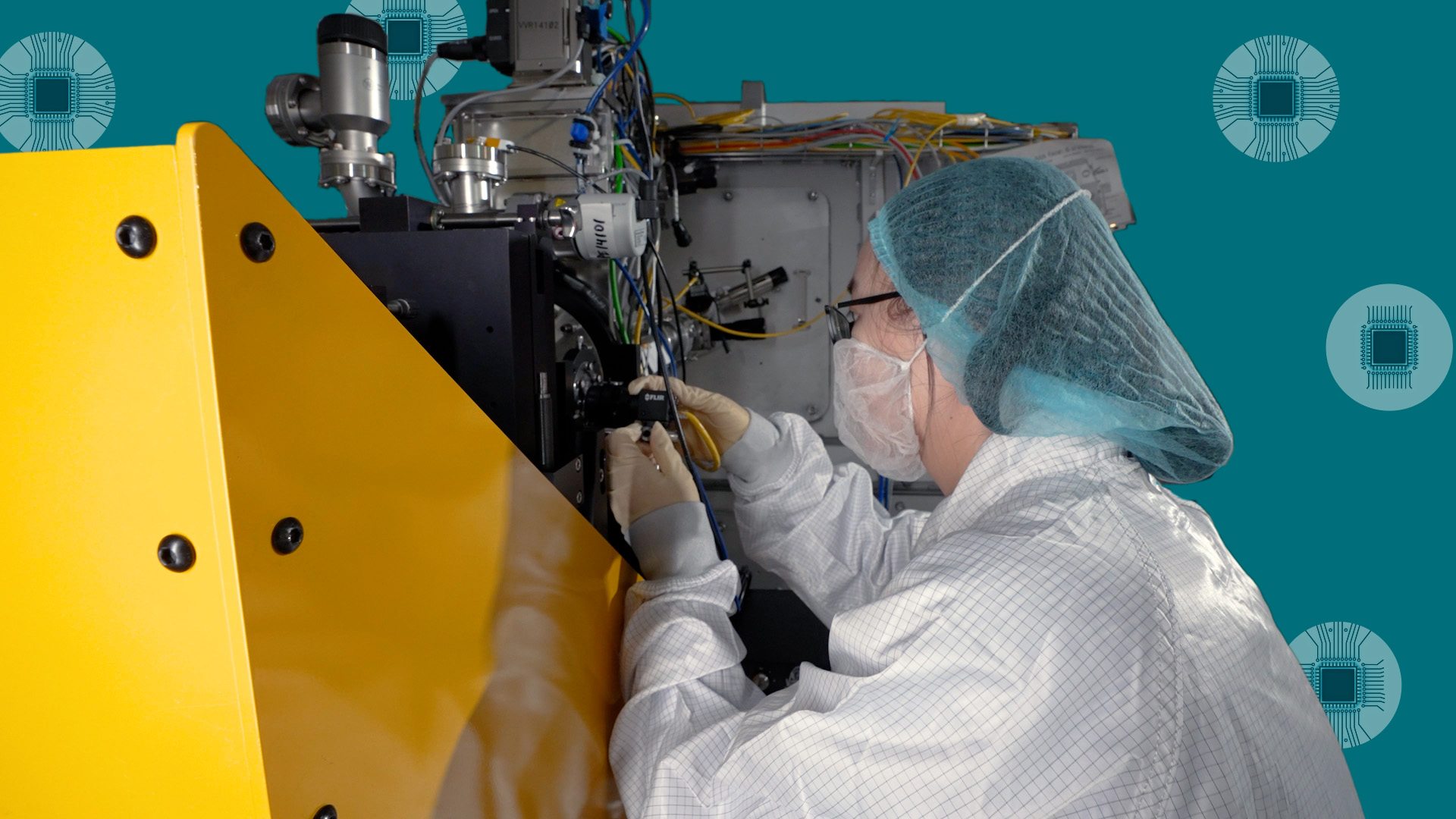
Science on the Double: How an AI-Powered ‘Digital Twin’ Accelerates Chemistry and Materials Discoveries
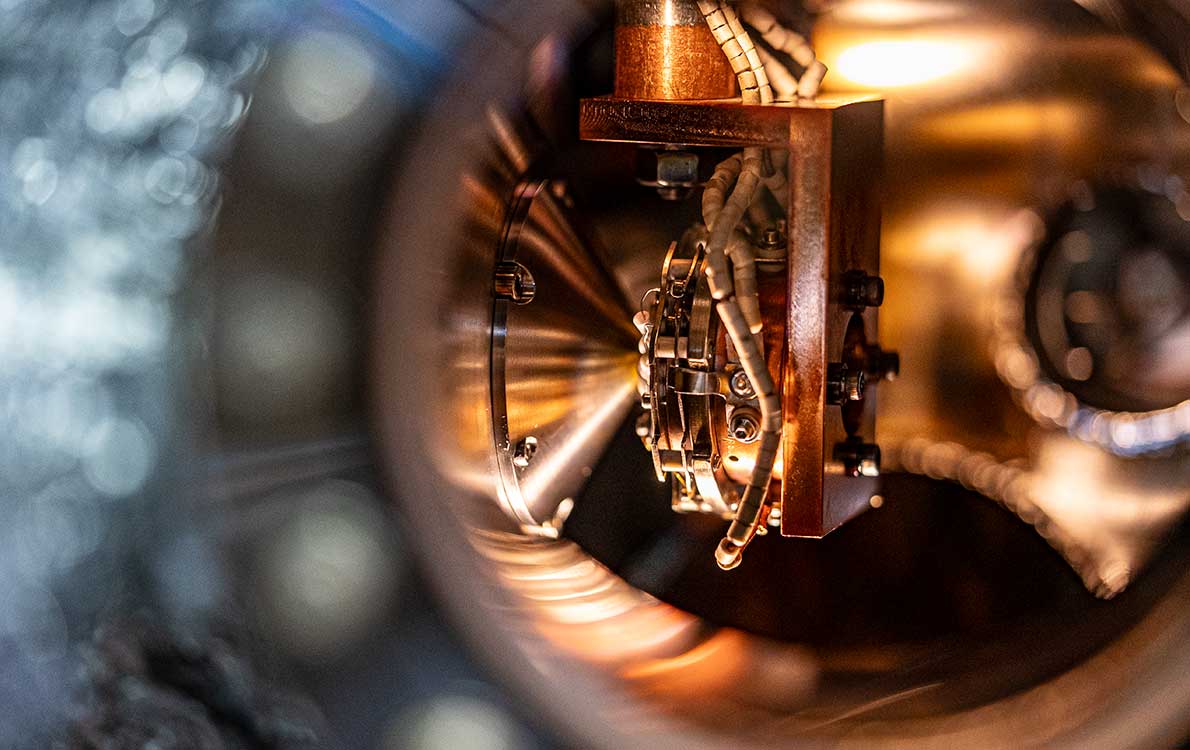
Basics2Breakthroughs: Studying the Hydraulic Mechanism in Jumping Spiders
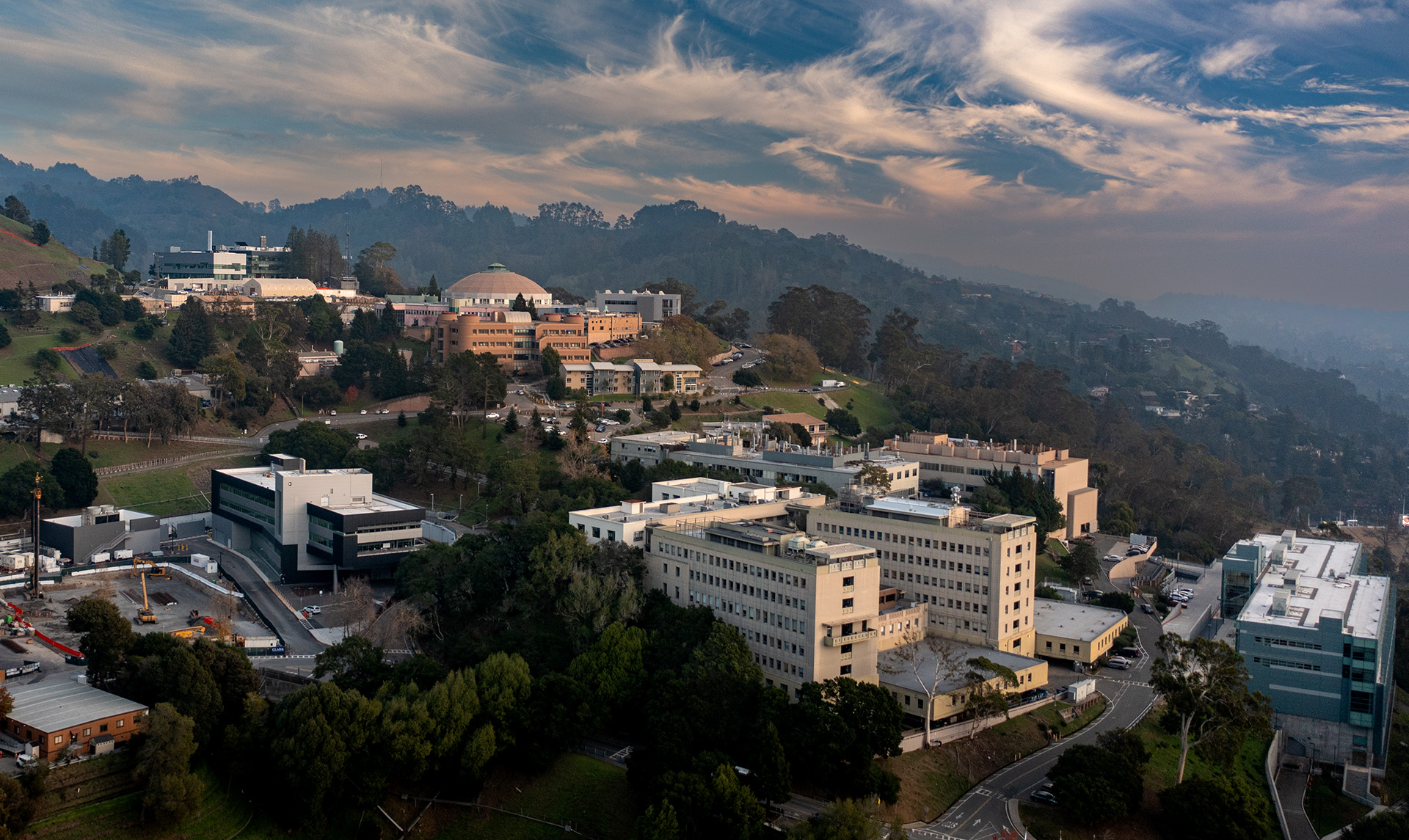
Crunching Big Data Into 3D Images Accelerates Discovery
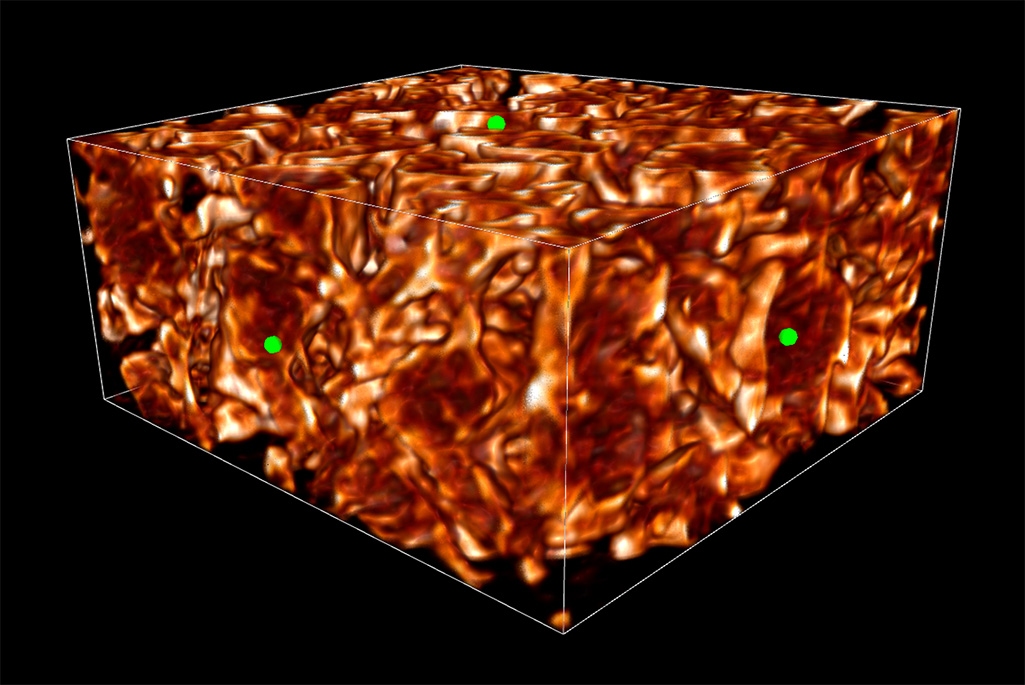
How a Machine Learning Pipeline Could Accelerate Innovation
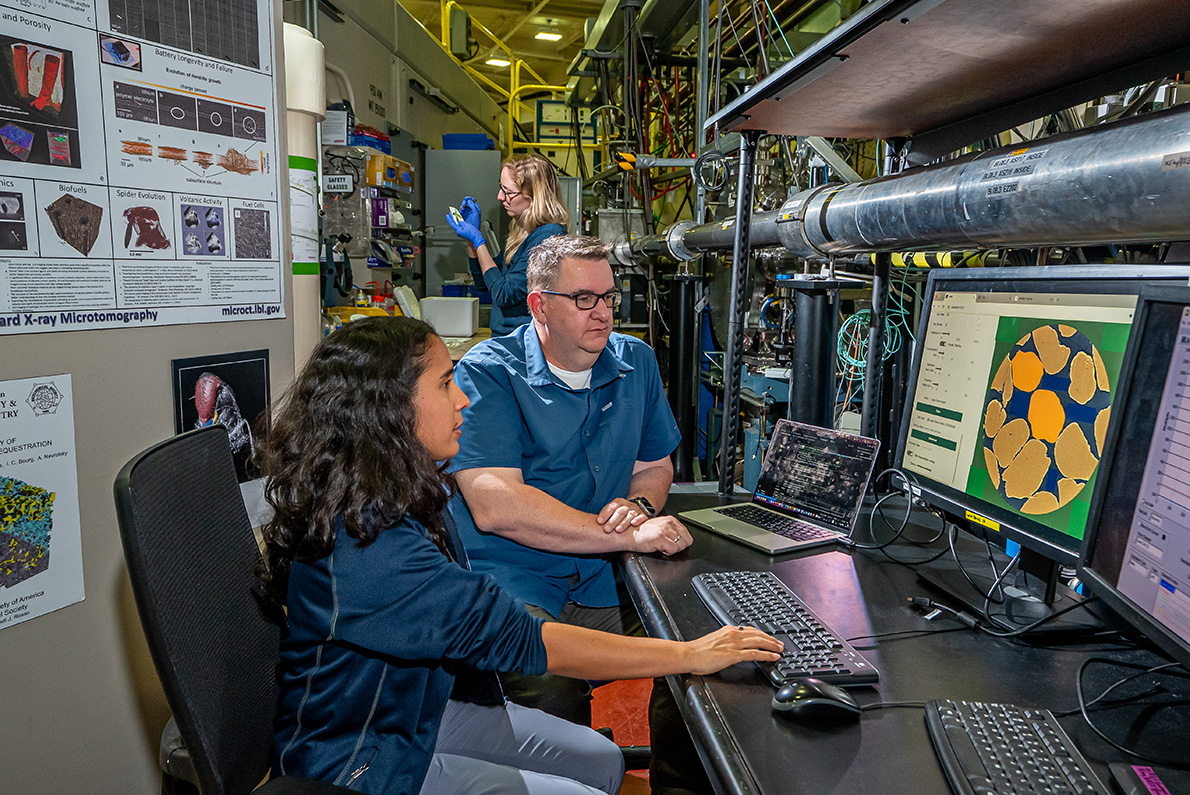
AI for Smarter, More Powerful, More Efficient Particle Accelerators
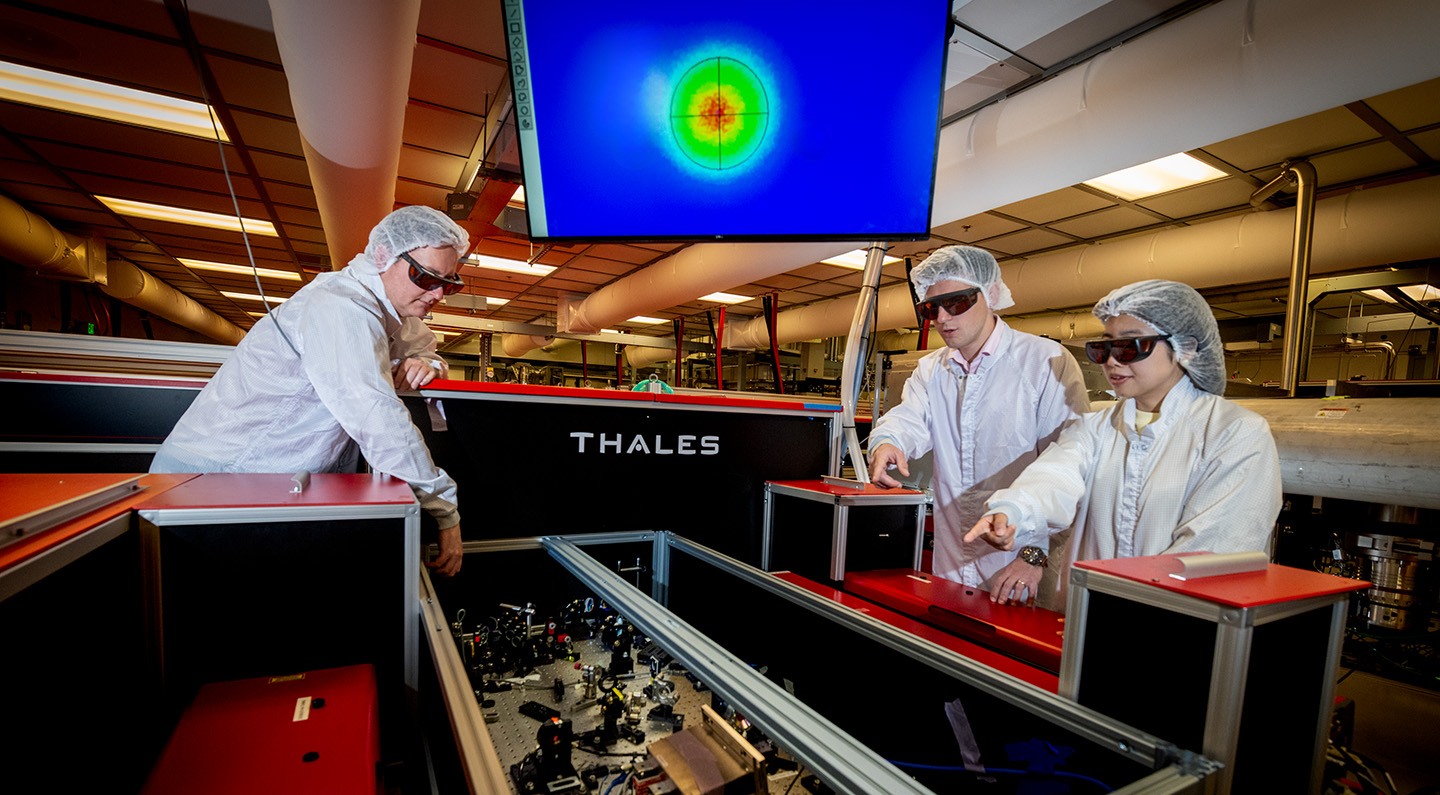
Leading the Field in Magnets
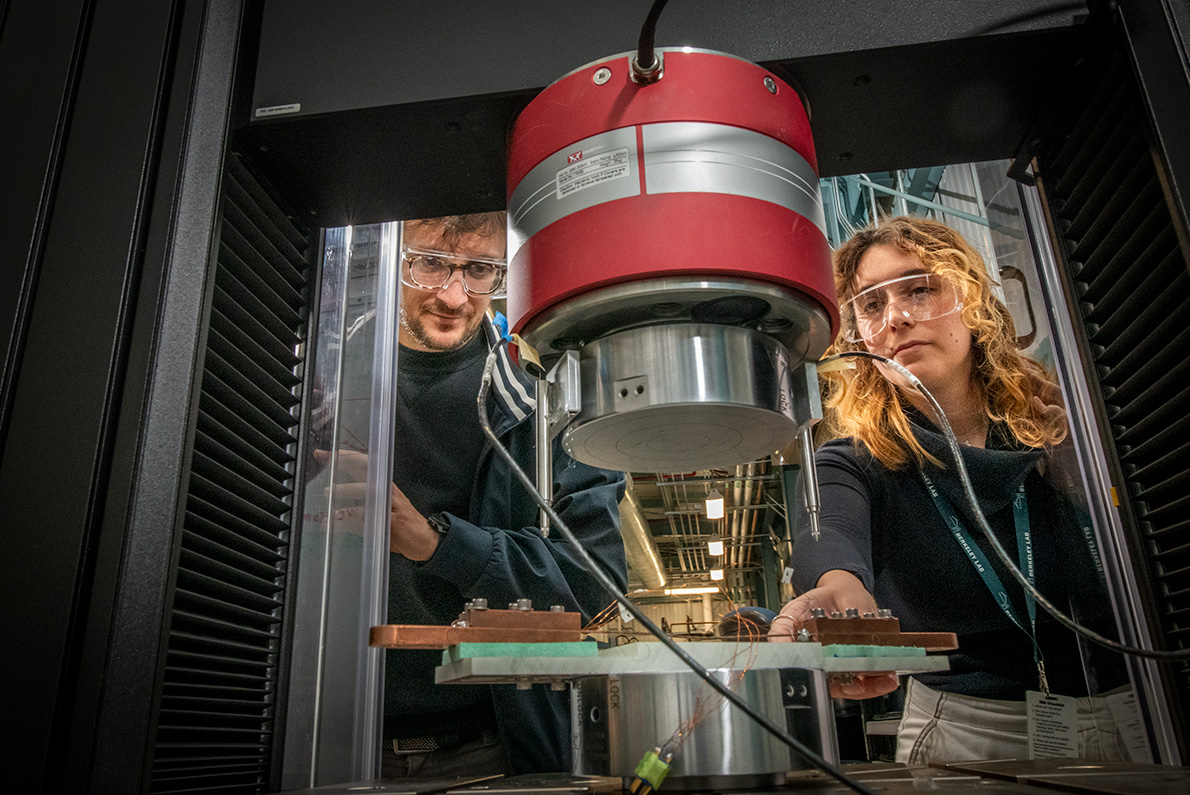
How AI and Automation are Speeding Up Science and Discovery
Project Scientist Laser-Plasma Acceleration
Job #106275
Lawrence Berkeley National Laboratory is hiring a Project Scientist at the BELLA Center, in the Accelerator Technology & Applied Physics division.
We’re here for the same mission, to bring science solutions to the world. Join our team and YOU will play a supporting role in our goal to address global challenges! Have a high level of impact and work for an organization associated with 17 Nobel Prizes!
The Project Scientist will contribute to research relevant to the development of compact laser-driven …
Postdoctoral Scholar
Job #105898
Lawrence Berkeley National Laboratory is hiring a Postdoctoral Scholar within the Accelerator Technology & Applied Physics division under the Berkeley Accelerator Controls & Instrumentation (BACI) Program.
The focus of this role is to contribute to the rapidly evolving field of AI for science and technology, with a focus on developing hardware and FPGA-based control systems for advanced accelerator and laser control applications. Key research areas include superconducting RF cavity resonance …
Postdoctoral Scholar
Job #105763
Lawrence Berkeley National Laboratory is hiring a Postdoctoral Scholar within the Accelerator Technology & Applied Physics division. This position will join the Fusion Science & Ion Beam Technology Program in the ATAP Division. As part of our Quantum-Information-Science projects, the successful candidate(s) will contribute to the development of color center synthesis, characterization, and integration for quantum sensing and quantum networking applications.
Working closely with scientists …
Postdoctoral Scholar
Job #105233
Lawrence Berkeley National Lab’s ( LBNL) Accelerator Technology & Applied Physics ( ATAP) Division’s Berkeley Accelerator Controls and Instrumentation (BACI) Program has an opening for a Postdoctoral Scholar to join the team.
The focus of this role is to contribute to the rapidly evolving quantum computing technologies by developing the FPGA based control systems for a wide range of advanced qubit technologies, including the superconducting circuits, the neutral atoms and the trapped ions …