Artificial intelligence is bringing transformative solutions to complex scientific challenges. Through advanced computation, network facilities, and data integration, Berkeley Lab is advancing the foundations of powerful new AI capabilities and using AI for discoveries in materials, energy, chemistry, physics, biology, climate science, and more.

AI Models
Leveraging our team science heritage, we integrate deep expertise in math, computing, data sciences, and various scientific domains to develop pioneering AI models.
Science Applications
Developing novel AI applications to answer pivotal questions and expand the boundaries of knowledge for various scientific fields.
Data
Data is the lifeblood of AI. We are generating the data, processing the data, and building the curated data repositories that power scientific AI.
Computing / Infrastructure
Providing a robust HPC and networking infrastructure for AI training, data storage, and facilitating computing access for distant experimental facilities.
National Energy Research Scientific Computing Center (NERSC)
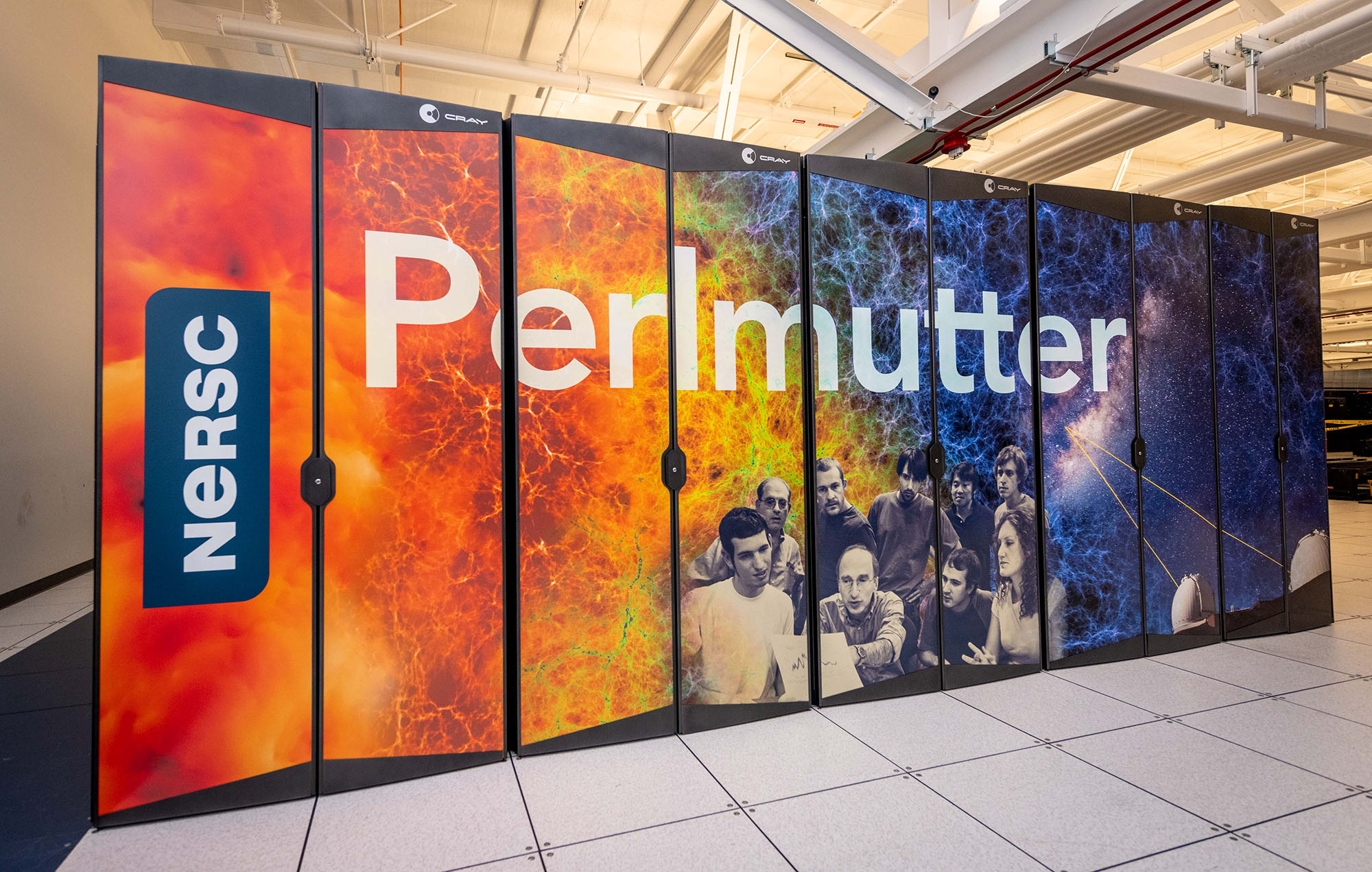
NERSC provides computational and data resources and expertise for scalable, powerful, and easy-to-use AI/ML in scientific computing.
Energy Sciences Network (ESnet)
ESnet provides the high-speed, reliable, and secure network connections needed for efficient collaboration and processing of large datasets essential for scientific AI research, while also exploring how AI/ML models can improve network operations.
Center for Advanced Mathematics for Energy Research Applications (CAMERA)
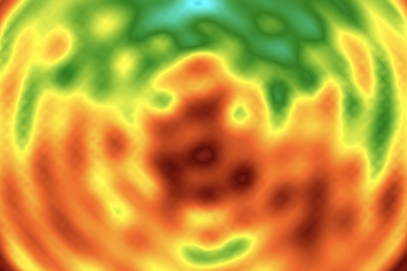
CAMERA advances AI research for science by creating advanced mathematical algorithms and tools for data analysis, modeling, simulation, and automated experiments.
Automated Labs
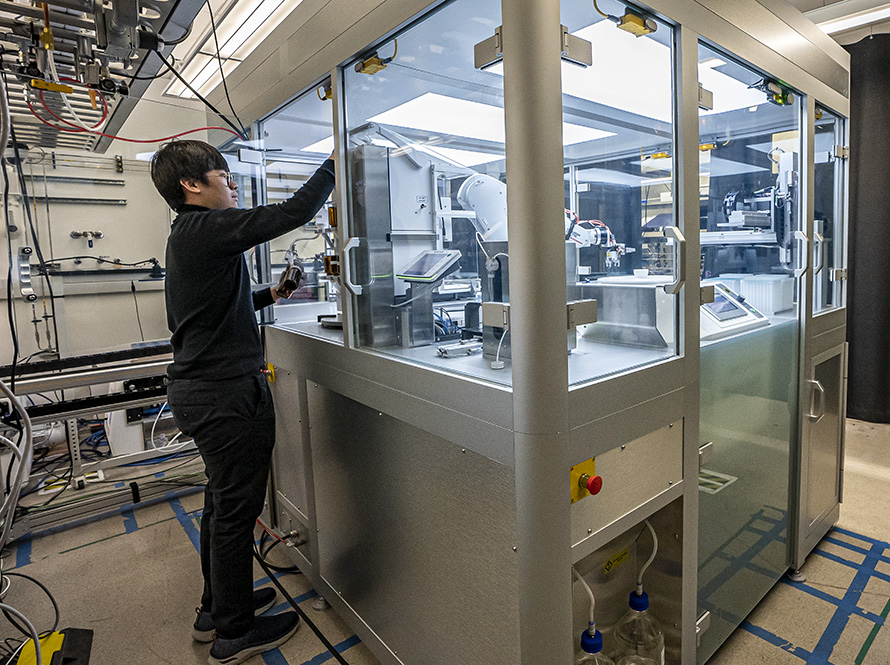
Berkeley Lab researchers are developing automated labs that use robots guided by artificial intelligence to advance science. A-Lab, which accelerates materials discovery, is one example.
Data Collaboratives

AI is fueled by data. Berkeley Lab curates and stores huge scientific datasets in areas such as materials, environment, biology, genomics, and physics.
Lawrencium
Berkeley Lab IT offers the lab community a comprehensive suite of AI services for scientific research, including access to the Lawrencium computing platform.

Berkeley Lab scientists leverage AI to make transformative discoveries across our science domains. Our scientists also develop foundational and robust AI methods that are consistent with physical laws and capable of being interpreted in scientifically meaningful ways.

"Our collaborative approach to science and cutting-edge facilities empowers us to push the boundaries of what's possible in AI-driven science."
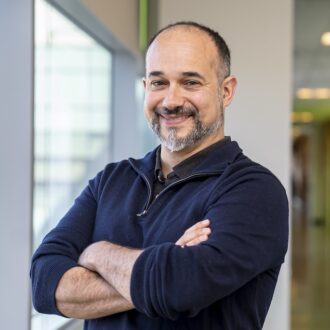
"I think an intense application of AI and robotics/automation to synthetic biology can accelerate synthetic biology timelines approximately 20-fold."

"Machine learning allows physicists to do what they couldn’t before, such as hunting for new particles by automatically identifying subtle patterns in complex data at herculean scales. The potential for discovery was unimaginable even a few years ago."

From particle physics to microelectronics, Berkeley Lab is using advanced AI in a variety of subjects to ensure U.S. science and technology remain at the forefront worldwide.
At Berkeley Lab, we’re accelerating the pace of science. Our teams and facilities are powering a new era of discovery, combining artificial intelligence, automation, and advanced data processing into integrated systems of rapid discovery.
From robotic labs that rapidly test new materials to AI-optimized lasers and supercomputers that analyze experimental data in real time, we are fast-tracking breakthroughs for an abundant and reliable energy future.
Our integrated approach is advancing the scientific enterprise across the nation, transforming the speed of discoveries and the way science gets done. These capabilities are critical in enabling the United States to compete in a global race for innovation powered by artificial intelligence.
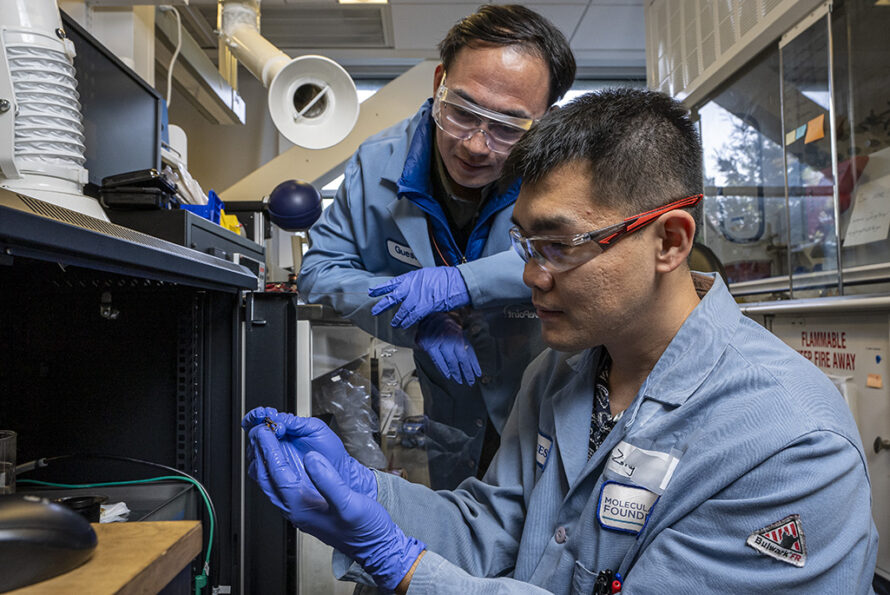
A Film Capacitor That Can Take the Heat
AI Helps Researchers Dig Through Old Maps to Find Lost Oil and Gas Wells

ALS Computing Group Brings Machine Learning Models to Beamtimes around the World
Emerging Ideas

Frontier Computing Sciences
Emerging Capabilities